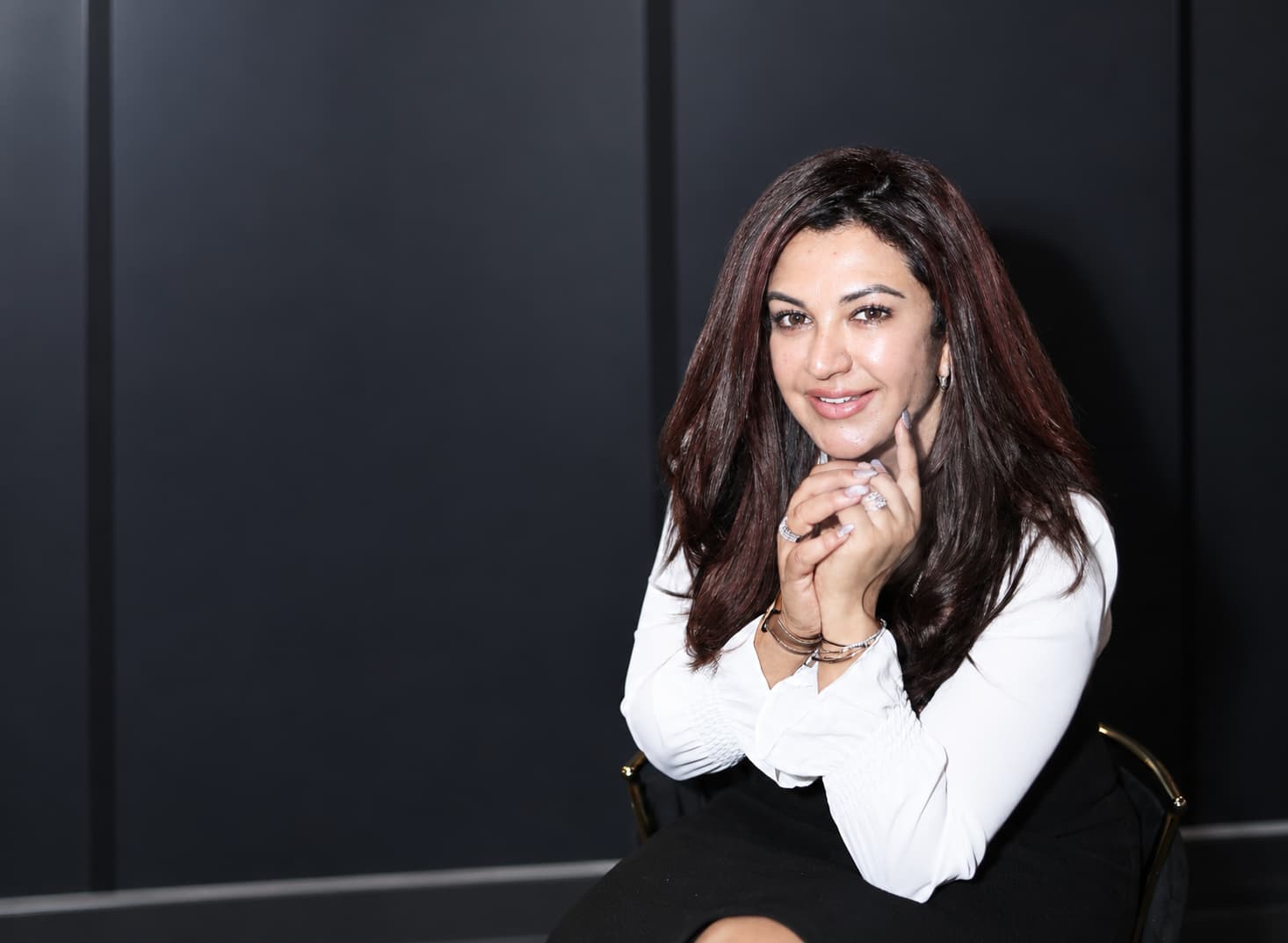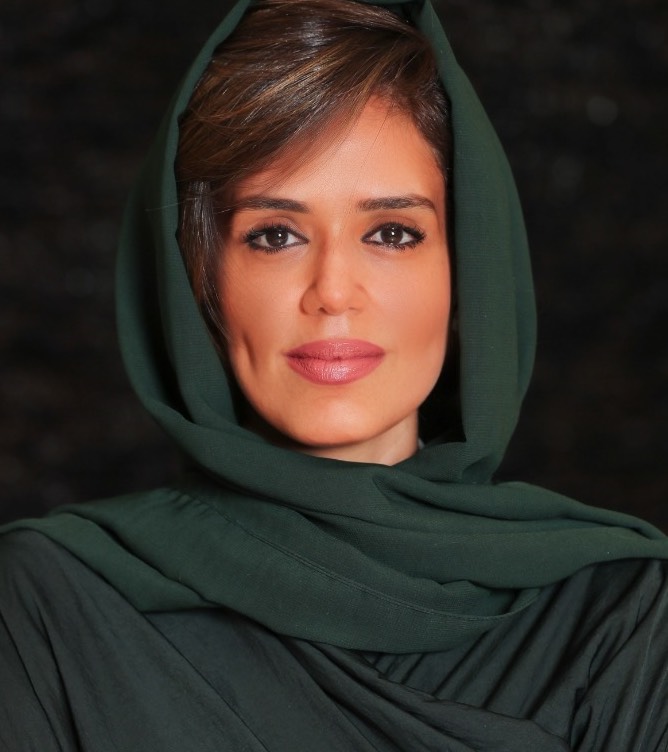
For Dr. Sara M. Abou AlSaud, the journey into cardiovascular science began as a profound fascination with the heart’s balance between biology and life. “The combination of biological elegance and clinical urgency in the heart drew me in,” she reflects. She was captivated by how small molecular changes could reshape an entire organ’s function, revealing the interplay between genetics and physiology. That curiosity evolved into a lifelong mission; to bridge molecular discovery with patient-centered cardiology and reveal how genetics can decode heart disease.
At the core of her work lies a translational vision: transforming genetic insights into medical outcomes. She integrates research with teaching and clinical practice, connecting the laboratory bench to the bedside. By identifying actionable variants, developing risk-stratification tools, and collaborating with clinicians, she turns data into diagnosis and discovery into care. “Embedding research into teaching and multidisciplinary clinics allows us to move beyond theory,” she explains, “toward interventions that genuinely improve patient outcomes.”
Looking ahead, she sees precision medicine entering its most dynamic era. Rapid genomic sequencing, integrative multi-omics, and AI-driven genotype mapping, she believes, will soon make personalized cardiac care routine. “The future of cardiac care will be defined by personalization,” she says, “by understanding not just the disease, but the individual behind it.” In both her research and leadership, Dr. AlSaud stands at the intersection of science and humanity; where molecular intricacy meets the urgency of saving lives.
Leadership & Institutional Impact
For Dr. AlSaud, leadership is a scientific discipline. “Set hypotheses, collect data, test interventions, and iterate,” she says. That evidence-based mindset keeps both research and administration accountable at King Saud University. Treating leadership as inquiry helps her teams remain effective and aligned with the university’s mission of innovation and impact.
Her approach draws on change-management principles; clarity of vision, engagement, experimentation, and transparency. “Change is a collaborative process,” she emphasizes. “You build momentum by listening to faculty and learners, piloting small wins, and scaling what works.” This co-creative model has fostered trust and adaptability across departments.
As Executive Director of Human Capital Empowerment and Chief of Administrative Affairs at GESTER, she has redefined what it means to invest in people. “It means equipping faculty, clinicians, and students with the skills, opportunities, and agency to lead innovation,” she says. For her, empowerment is not training alone; it is cultivating potential through mentorship, continuous learning, and removing barriers so talent can thrive.
Years in leadership have also reshaped her definition of innovation. Once centered on discovery, it now includes the systems that make discovery sustainable. “It’s not just new ideas that are innovative,” she reflects. “It’s the systems that enable their adoption.” Building capacity and partnerships has become central to translating insight into lasting societal benefit.
Mentorship & Empowering the Next Generation
Mentorship, to Dr. AlSaud, is a moral commitment to science’s continuity. “Science progresses through collaboration, not solo achievement,” she tells her students. She instills curiosity, rigor, humility, and resilience; the cornerstones of genuine inquiry; while emphasizing ethical responsibility and the duty to mentor others. Every discovery, she reminds them, gains meaning only when shared across generations.
Her guidance to emerging researchers is pragmatic: “Be patient and relentless.” Progress in academia depends on consistency, collaboration, and credibility rather than speed. She urges young scientists to build strong interdisciplinary networks, solid methodology, and a long-term vision of impact. For her, success stems not from one paper but from a lifetime of purposeful effort.
Empathy anchors her mentoring style. “Empathy informs how I listen and design learning experiences,” she explains. “Inclusivity dictates the diversity of perspectives research questions require.” She meets each mentee where they are; helping them find their strengths and ensuring that every voice contributes. By uniting intellect with empathy, she cultivates scientists grounded in purpose, integrity, and compassion; qualities she sees as the true hallmarks of leadership.
Collaboration & Global Perspective
Collaboration, Dr. AlSaud believes, is the lifeblood of progress. “Complex health problems don’t respect disciplinary boundaries,” she observes. “Combining genomics, bioinformatics, clinical care, social sciences, and policy accelerates solutions that are both scientifically sound and socially relevant.” She views discovery as an intersection of expertise where diverse ideas converge to produce holistic, actionable knowledge.
Her time at Imperial College London reinforced this philosophy. Immersed in a culture of rigorous inquiry and teamwork, she saw how multidisciplinary collaboration drives responsible innovation. “Imperial instilled in me a discipline of questioning and a respect for collaborative rigor,” she recalls. Working within diverse teams taught her that translational research bridges discovery and implementation; and that creativity must coexist with accountability.
Back at King Saud University, she ensures that global exposure yields local impact. Her model centers on contextualization: adapting international best practices to Saudi epidemiology, culture, and healthcare systems. “We pilot interventions locally, measure outcomes, and scale those that demonstrate real benefit to our communities,” she says. For Dr. AlSaud, innovation is meaningful only when it improves lives within their own social and cultural context.
Through her cross-border collaborations, she embodies a form of leadership that is global in vision yet locally grounded, showing that the future of medicine depends not only on discovery but on shared purpose and collaboration.
Advocacy, Resilience & Vision
Resilience, for Dr. AlSaud, is rooted in purpose and perspective. “A clear mission keeps me focused, and disciplined planning keeps chaos manageable,” she says. Purpose anchors her through challenges, while structure keeps complexity in check. She also credits her mentors and team with helping her regain balance when difficulties arise, viewing leadership; like science; as a collective endeavor built on trust.
Her resilience fuels her advocacy for women in STEM, a movement she champions within Saudi Arabia and beyond. “Women are increasingly shaping science and leadership,” she notes. “They’re driving policy, research, and education, and I expect this trend to accelerate as structural barriers fall and investment in female talent grows.” She celebrates the growing frameworks that promote inclusivity and mentorship, ensuring women’s voices shape the future of scientific enterprise.
When envisioning her legacy, Dr. AlSaud speaks not of accolades but of systems and people. “I hope my legacy will be one of translated discoveries, empowered people, and institutional systems that nurture continuous innovation,” she reflects. Central to that mission is her commitment to elevating women, cultivating local talent, and aligning regional science with global standards.
Through every chapter of her journey, Dr. Sara M. Abou AlSaud exemplifies what modern scientific leadership can achieve; purpose-driven, inclusive, and visionary. Her story affirms that resilience and advocacy are not separate pursuits but intertwined forces shaping both personal growth and institutional transformation. In bridging discovery and empowerment, she ensures that each breakthrough carries the promise of a more equitable and enlightened future.