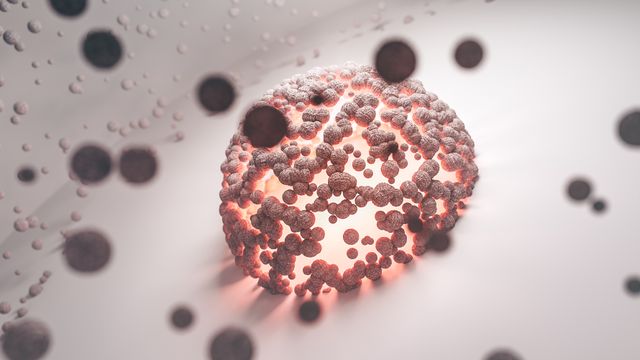
The paradigm of pharmacology is shifting from systemic administration to targeted cellular intervention. Traditional therapies frequently present significant off-target effects, systemic toxicity, and low bioavailability because active compounds diffuse freely throughout healthy tissues. Nanoparticle-based targeted drug delivery solves this fundamental limitation by utilizing engineered microscopic nanocarriers (typically 1 to 100 nanometers in size) to transport therapeutic payloads directly to diseased cells while sparing healthy tissue.
1. Delivery Mechanisms: Passive vs. Active Targeting
To deliver a payload specifically to an affected cell, nanocarriers leverage two primary physiological mechanisms:
- Passive Targeting (Enhanced Permeability and Retention – EPR): Solid tumors and inflamed tissues feature abnormally porous blood vessels and impaired lymphatic drainage. Nanoparticles exploit these structural defects to passively accumulate inside target tissues at significantly higher concentrations than in normal, healthy environments.
- Active Targeting (Surface Functionalization): Nanoparticles are engineered with surface-bound ligands—such as monoclonal antibodies, cell-penetrating peptides, aptamers, or small molecules (like folate). These ligands explicitly recognize and dock onto specific receptors overexpressed on the surface of diseased cells (e.g., tumor antigens), triggering receptor-mediated endocytosis to pull the nanoparticle directly inside the target cell.
2. Primary Classes of Nanocarriers
Different clinical applications demand distinct material properties, degradation rates, and drug-loading capacities.
| Nanocarrier Type | Structural Composition | Primary Clinical Advantages |
| Lipid Nanoparticles (LNPs) | Phospholipid bilayers and ionizable lipids | Exceptional for encapsulating nucleic acids (mRNA, siRNA, DNA); high biocompatibility. |
| Polymeric Nanoparticles | Biodegradable synthetic polymers (e.g., PLGA, PEG) | Highly customizable sustained release; responds dynamically to microenvironment cues (pH, temperature). |
| Dendrimers | Highly branched, hyper-symmetric macromolecules | Precise control over particle size, surface functionalization, and multi-drug loading. |
| Inorganic & Metallic Nanoparticles | Gold, silica, or iron oxide cores | Dual-use capabilities (theranostics); ideal for photothermal therapy, hyperthermia, and magnetic guidance. |
3. Key Therapeutic Advantages
- Bypassing Biological Barriers: Functionalized nanoparticles can interact with specific endothelial receptors to cross formidable physiological obstacles, such as the Blood-Brain Barrier (BBB), opening new treatment avenues for glioblastoma, Alzheimer’s, and Parkinson’s disease.
- Stimuli-Responsive Triggered Release: Advanced nanocarriers are engineered to retain their payload in systemic circulation and release it only upon encountering specific microenvironment triggers—such as the acidic pH of a tumor microenvironment, specific intracellular enzymes, or external triggers like magnetic fields and near-infrared light.
- Increased Bioavailability & Reduced Toxicity: Encapsulating hydrophobic or unstable drugs protects them from enzymatic degradation in the bloodstream, preventing premature clearance, maintaining steady-state therapeutic windows, and significantly decreasing adverse drug events like hair loss, cardiotoxicity, or systemic immunosuppression.
4. Current Challenges and Engineering Frontiers
Despite massive potential, bringing targeted nanoparticles to wide-scale production involves complex engineering challenges:
- Protein Corona Formation: When entering the bloodstream, serum proteins spontaneously coat nanoparticles, altering their surface identity and sometimes obscuring active targeting ligands before they reach the target cell.
- Clearance by the Reticuloendothelial System (RES): The liver and spleen frequently filter out nanocarriers. Formulations often require specialized stealth coatings (like polyethylene glycol or cell-membrane biomimicry) to evade immune detection.
- Batch-to-Batch Scalability: Maintaining uniform particle size, surface charge, and drug encapsulation efficiency during high-volume manufacturing remains a central regulatory focus for nanomedicine producers.