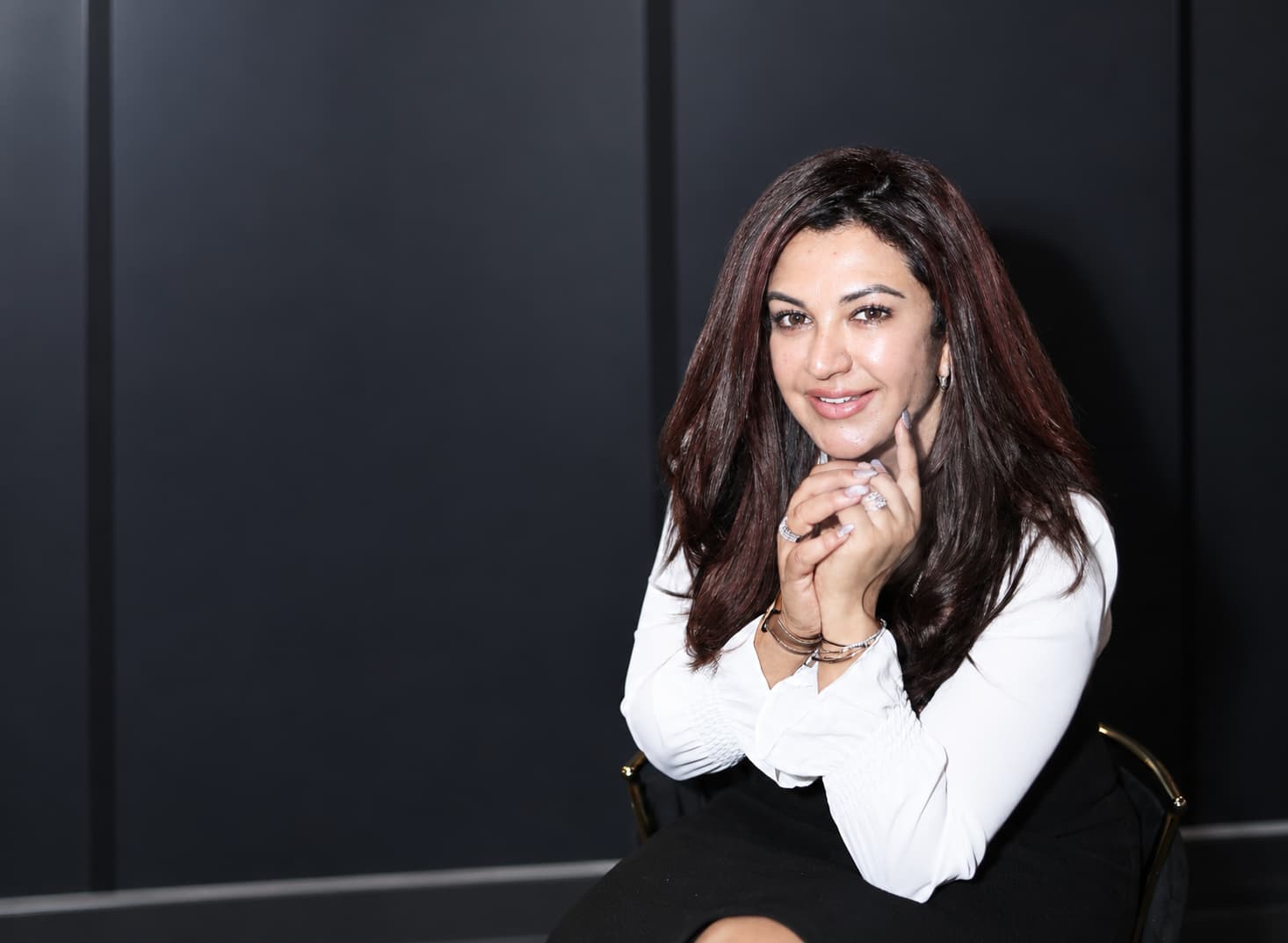
In the evolving landscape of urban innovation, Renata Gaudêncio Pessoa de Melo is emerging as a defining voice shaping how cities are imagined and built. Based in Recife, Pernambuco, Brazil, she serves as the Executive Director of Concrepoxi Artefatos, a company she founded with a clear purpose, to bridge the gap between design and real-world urban execution. With a background in architecture and urbanism, complemented by global exposure and strategic expertise in project management, Renata has transformed her practice into a platform for systemic change. Her work goes beyond materials and infrastructure; it reflects a deeper commitment to creating smarter, more inclusive, and sustainable public spaces that redefine how people experience their cities.
Where Vision Becomes Urban Reality
For Renata Gaudêncio Pessoa de Melo, architecture was never just about designing spaces, it was about understanding how ideas take form in the real world. Trained in architecture and urbanism, her early journey taught her to balance scientific precision with artistic vision. Today, that same logic defines her entrepreneurial path.
She approaches business the way an architect approaches a city, first idealizing the concept, then building it with the tools available. Since 2013, her work has evolved into something far greater than enterprise. It has become a social commitment, one rooted in the belief that urban transformation is not optional, it is necessary.
At the heart of this mission stands Concrepoxi Artefatos, not merely as a company, but as a system designed to bridge the gap between vision and execution in modern cities.
Reimagining Cities Through Systems Thinking
What began as a focus on high-end concrete technology soon revealed a deeper issue. The urban environment lacked a systemic vision capable of integrating innovation into everyday life. Renata recognized that products alone could not solve fragmented cities.
Instead, she built Concrepoxi Artefatos to:
- Introduce agility and creativity into urban development
- Create new markets centered around public spaces
- Transform sustainable ideas into responsible, tangible actions
- Accelerate the connection between design, infrastructure, and human experience
Her philosophy is clear: cities should be designed by people, for people.
Through this lens, she does not simply sell materials. She builds ecosystems. Each project becomes part of a broader narrative, one that reshapes how cities are experienced, lived in, and sustained.
The Philosophy of Better Public Spaces
For Renata, better public spaces are not defined by aesthetics alone. They are the result of a systemic balance between natural harmony and technical excellence.
She frames this vision through an integrated model composed of:
- Infrastructure
- Sidewalks
- Streets
- Urban kindness
- Maker culture
- Housing
This layered approach reflects her belief that cities must function as interconnected systems rather than isolated developments.
A truly successful public space, in her view, is one that:
- Serves daily human needs with durability and intention
- Reflects cultural identity and local context
- Integrates biodiversity and respects natural ecosystems
- Enhances both urban and emotional experiences
Whether in dense urban centers or green environments, her goal remains consistent, to create spaces that feel thoughtfully constructed and deeply human.
From Scale to Strategy: Lessons in Leadership
Renata’s time at Odebrecht, played a defining role in shaping her professional mindset. There, she learned that even the largest organizations are built from agile, interconnected units aligned by culture, purpose, and values.
More importantly, she discovered the power of partnership.
Entrusted with responsibility early in her career, she developed a deep sense of loyalty to people, processes, and shared goals. This experience laid the foundation for her leadership philosophy today, one that blends ambition with humility.
She leads not from above, but alongside. For her, true leadership is about unlocking the best in others while ensuring that technological progress remains grounded in human needs.
Fábrica de Cidades: Where Systems Meet Reality
At the core of Renata’s vision lies the concept of the “Fábrica de Cidades”, a living framework where ideas are translated into scalable urban solutions.
She defines it simply: a system without a corresponding reality is pure fantasy.
This “city factory” operates as:
- A collaborative ecosystem of business models and partnerships
- A platform for integrating materials, processes, and design
- A bridge between idealized concepts and real-world execution
Here, urban development becomes both philosophical and practical. It aligns purpose with execution, merging spiritual aspiration, the desire for better living, with material reality, the infrastructure required to sustain it.
Through this model, cities are not just built. They are continuously refined.
Innovation, AI, and the Future of Urban Living
Renata’s forward-thinking approach extends into emerging technologies, including her current pursuit of an MBA in Artificial Intelligence. For her, AI is not just a tool, but a systemic problem solver.
Urban challenges, she explains, are complex networks of cause and effect. The real innovation lies in:
- Asking the right questions
- Selecting the right models
- Connecting users, companies, and systems seamlessly
She envisions a future where accessible, intelligent tools accelerate urban solutions, transforming visionary designs into tangible outcomes.
At the same time, sustainability remains central to her work. It is not an abstract goal, but a strategic imperative balancing:
- Environmental health
- Social equity
- Economic viability
By combining data, scalable methods, and responsible materials, she moves beyond theory, delivering measurable, real-world impact.
Building with Purpose, Leading with Persistence
What drives Renata is the rare alignment between vision and execution, what she describes as the meeting point of the spiritual and the material.
There is a unique satisfaction, she reflects, in seeing an idea validated not only by financial success, but by its contribution to the urban fabric. Each project becomes proof that innovation can be both commercially viable and socially transformative.
Looking ahead, her ambition is clear. She aims to build a global benchmark where industry and design work together to restore ecosystems and elevate human experience. More than structures, she wants her legacy to be defined by systemic change.
Advice for the Next Generation of Urban Innovators
Her message to aspiring innovators is both honest and powerful.
- Master systems thinking
- Stay relentlessly committed to execution
- Expect resistance from outdated structures
- Focus on simplifying complexity
Urban innovation, she believes, belongs to those who are detail-driven, persistent, and willing to navigate uncertainty.